芬兰新航空博物馆
The New Aviation Museum
项目地点:芬兰万塔市
项目面积:约 7000 平方米
项目功能:博物馆、展览区、咖啡厅、商店
项目范围:建筑设计、室内设计
项目状态:竞赛中标项目
Location: Vantaa, Finland
Area: Approx. 7,000 m2
Functions: Museum, Exhibition spaces, Café, Shop
Scope: Architecture, Interior
Status: Winner, tender process
新航空博物馆将取代位于万塔市阿维亚波利斯(Aviapolis)发展区相邻地块的现有芬兰航空博物馆,该区域紧邻赫尔辛基机场。芬兰航空博物馆为国家级场馆,负责芬兰航空历史的保护与展示。这座全新博物馆中心将采用独特创新的场馆理念,目标年接待游客超 10 万人次。
建筑定位为区域地标与多功能枢纽,既兼具当代工业建筑的高效性,又蕴含飞行的诗意感。设计理念以经济实用的建筑主体为核心,搭配特色外立面结构,塑造出彰显航空精神的独特标识。方案在实现建筑设计追求的同时,兼顾成本效益、功能实用性与施工可行性等核心目标。主体结构与外墙采用高性价比的钢材及夹芯板系统,该配置常见于现代飞机库及工业建筑,最终打造出功能灵活、适应性强的建筑空间,其展览区可为动态展品提供中性简洁的展示背景。
建筑与外立面设计
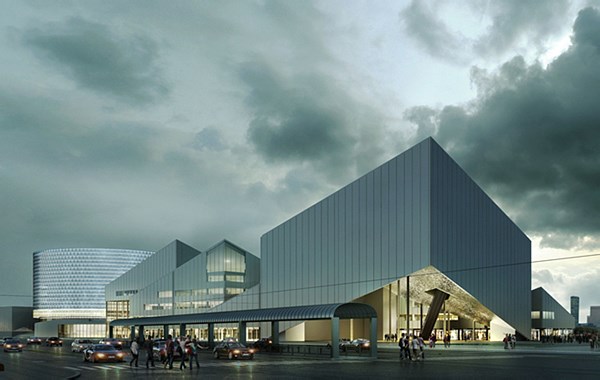
竞赛方案 “起飞与降落”(Takeoff and Landings)灵感源自飞机升降姿态,以外立面的起伏形态呈现设计概念。建筑通过在简洁结构框架外增设独立外立面表层,实现富有表现力的建筑语言。流畅线条与面向阿维亚大道(Aviabulevardi)的玻璃幕墙,呼应航空技术的轻盈与精准;主入口转角处缓缓上扬的造型,为访客营造迎宾氛围。
建筑主要采用铝、玻璃与木材三种材质:铝材轻质耐用,表面光滑如机翼可反射阳光,同时可作为夜间柔和照明的载体;玻璃增强建筑通透感与开放性,实现与周边城市空间的视觉连通,提升场馆亲和力;木材表面增添空间温暖质感,呼应早期航空业的工艺与材质传承。
屋顶作为面向周边酒店与学校的 “第五立面”,最显著的设计是铺设光伏板,凸显场馆对可持续能源方案的践行。
大堂 —— 阿维亚波利斯的 “客厅”
空间布局基于清晰的功能分区理念,将公共区域、展览区域与配套区域明确划分,保障使用的灵活性与高效性。主大堂为建筑核心与多功能枢纽,空间通透、采光充足,将博物馆体验延伸至阿维亚大道的城市空间。
挑高开阔的入口区域向餐厅方向逐步过渡为更具私密性的空间,为访客提供舒适的休憩、非正式会面或安静阅读环境。自由形态的木质体块界定大堂空间,集成咖啡厅、售票台、博物馆商店等核心公共功能。这些木质表面可投射航空历史相关多媒体影像,丰富空间体验;活动隔断设计让大堂可灵活适配各类活动举办与商业合作需求。
展览区域
主展览厅为无柱式设计,空间适应性强,可满足各类展品陈列、特殊照明配置及声学控制需求。其结构系统配备定制悬挂方案,可灵活悬挂重型展品。夹层观景台为访客提供俯瞰展区的全景视角。
相邻的临时展览区与大堂直接连通,既可作为主展览区的延伸,也可独立用作商业展览或教育活动场地。
配套功能与可持续性
博物馆配套设施包括办公室、工作室、图书馆及后勤区域,其中木工、金属加工与涂装工作室均与装卸区直接相连,提升运营效率。
所有建筑结构、材料与系统均以长期耐用性、健康性与安全性为甄选标准。通过木质表面的应用精心优化声学舒适度,尤其在大堂区域效果显著。外立面采用的铝与玻璃材质耐候性优异,木质元素则为建筑注入温暖的人文气息。
The New Aviation Museum will replace the existing Finnish Aviation Museum on the adjacent plot in the developing Aviapolis district in Vantaa, near Helsinki Airport. The Finnish Aviation Museum is a national museum responsible for preserving and exhibiting the history of Finnish aviation. The new museum centre will have a completely new and unique museum concept, aiming to attract over 100,000 visitors a year.
The New Aviation Museum building is designed as a local landmark and multifunctional hub that embodies both the efficiency of contemporary industrial architecture and the poetry of flight. The architectural concept wraps an economical, functional building in an exceptional façade structure, creating a distinctive identity that reflects the spirit of aviation.
The design reconciles architectural ambition with the project’s key goals related to cost efficiency, functionality and constructability. The main structure and external walls are based on cost-effective steel and sandwich panel systems, typical of modern aircraft hangars or industrial buildings. The result is a functional, adaptable building whose exhibition spaces provide a neutral backdrop for the museum’s changing displays.
Architecture and façade concept
The competition concept “Takeoff and Landings” refers to the ascending and descending forms of the façades, inspired by the movements of aircraft. The expressive architectural language is realised through a separate façade skin constructed over the simple structural frame. Streamlined lines and a glass façade facing Aviabulevardi evoke the lightness and precision of aviation technology. The gentle upward sweep above the main entrance corner welcomes visitors into the building.
Aluminium, glass, and wood are the museum’s main materials. Aluminium offers a light and durable solution with a smooth surface that reflects sunlight like an aircraft wing, serving also as a backdrop for subtle evening illumination. Glass adds transparency and openness, creating a visual connection with the surrounding urban space and making the museum approachable for all visitor groups. Timber surfaces bring warmth and tactility, recalling the craft and material heritage of early aviation.
The roof appears as the building’s fifth façade to the neighbouring hotel and school. Its most prominent feature will be the photovoltaic panels that emphasise the museum’s commitment to sustainable energy solutions.
The lobby – Aviapolis’ living room
The spatial layout is based on a clear functional concept that divides the public, exhibition and support areas into distinct zones, ensuring flexibility and efficiency of use. The main lobby acts as a multifunctional hub and the heart of the building. Visually open and filled with natural light, it extends the museum experience into the urban space of Aviabulevardi. The high, open entrance transitions gradually into a more intimate zone towards the restaurant, offering a comfortable setting for a coffee break, casual meeting or quiet study.
Free-form timber volumes define the lobby space, housing key public functions such as the café, ticket desk and museum shop. Multimedia projections on these surfaces can display imagery from aviation history, enriching the spatial experience. Movable partitions enable the lobby to adapt for different types of events and commercial collaborations.
Exhibition spaces
The main exhibition hall is a column-free, highly adaptable space designed for a wide range of installations, special lighting and controlled acoustic conditions. Its structural system allows heavy objects to be suspended flexibly using a custom-developed hanging solution. A gallery level offers visitors a bird’s-eye view of the displays. The adjacent temporary exhibition area connects directly to the lobby and can function as part of the main exhibition or as an independent space for commercial or educational use.
Support functions and sustainability
The museum’s support facilities include offices, workshops, a library and logistics areas. The workshops for wood, metal, and painting are directly connected to the loading yard. All structures, materials and building systems are selected for long-term durability, health and safety. Acoustic comfort has been carefully addressed through the use of timber surfaces, particularly in the lobby. The façade materials – aluminium and glass – are highly weather-resistant, with timber elements adding warmth and a human touch.
扫描二维码分享到微信